Florence · Go deeper
Where to live
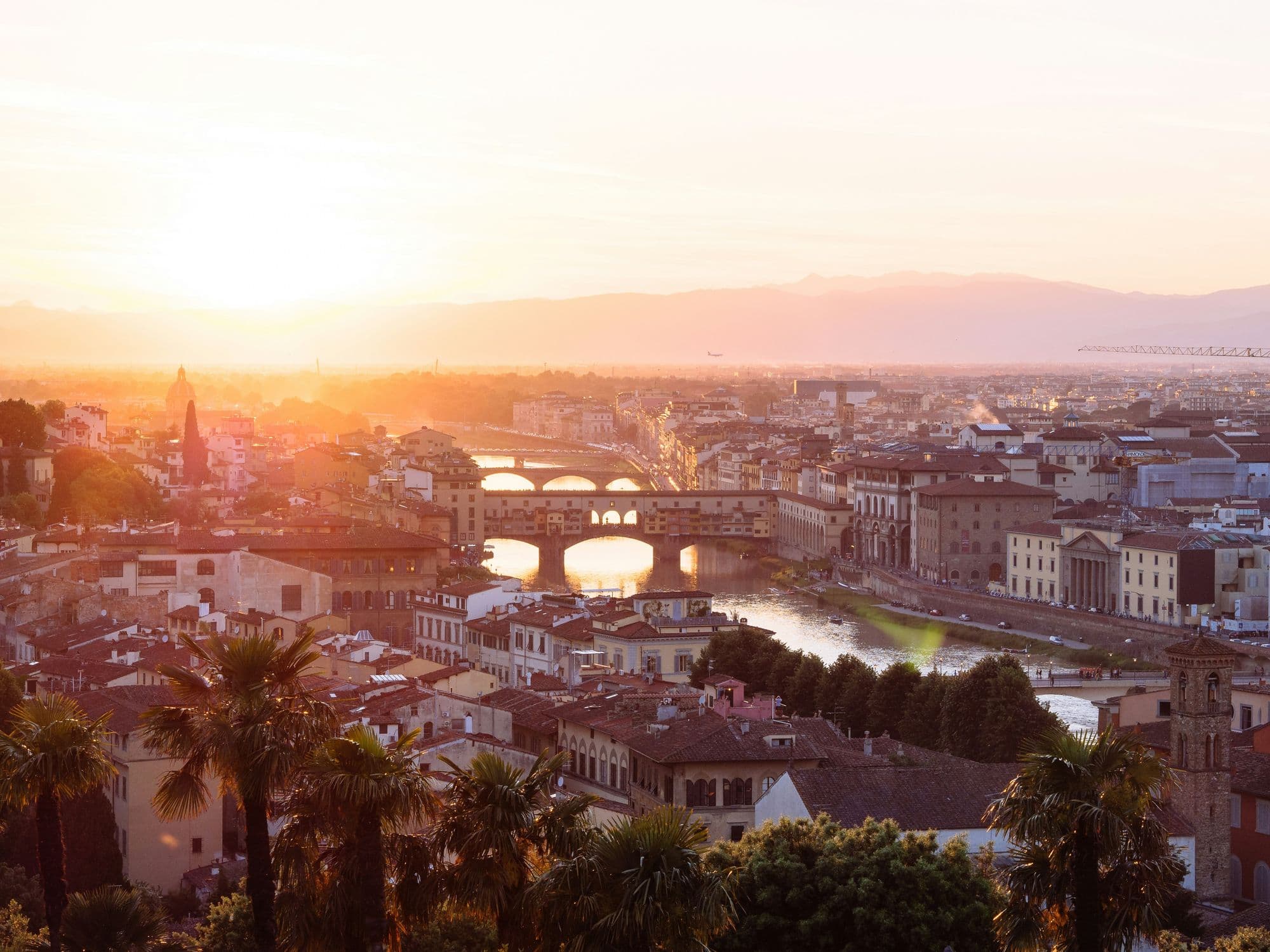
Florence pulled down its walls in the 1860s and turned them into a ring road. The viali are still how the city divides itself: inside is the postcard, outside is where most people actually live. The river cuts the inside in two, and the Oltrarno on the south bank has always felt like its own place. The quarters below divide along exactly those lines.
The centre
Centro Storico (the Duomo core)
most expensiveLiving inside the postcard. Spectacular and central, but scarce, pricey, and busy with visitors year-round. The Mercato Centrale is where the crowd thins. Florentines still shop there, mostly before nine. Wonderful for a while; wearing as a long-term home for many.
Best for: short stays, or those who want the icon and will pay for it
Santa Croce & Sant’Ambrogio
midEast of the centre, more local and a little cheaper. Sant’Ambrogio has a real market: vegetables and a butcher, not souvenirs. And the neighbourhood turns up every morning. Pedestrian streets that Florentines actually live on. Central enough to walk everywhere, residential enough to breathe.
Best for: people who want the centre without the full tourist crush
Across the river
Oltrarno — Santo Spirito & San Frediano
midThe artisan heart, south of the river. Gilders and furniture restorers still working behind open doors, which gets rarer every year. Wine bars, and a piazza that becomes the city’s living room after dark. The trade: Santo Spirito is loud at night, so not if you want quiet.
Best for: young professionals, academics, anyone who wants real neighbourhood life
San Niccolò
premiumA leafy village within the city, at the foot of the climb to Piazzale Michelangelo. Its gate is the only one left at full height. The rest were cut down when the walls came away. Romantic, calmer, with good restaurants. Twenty minutes’ walk to the Duomo and a world away from it.
Best for: couples and those wanting charm with a bit of calm
Beyond the viali
Campo di Marte & Gavinana
lowerResidential, greener, calmer, either side of the river, both outside the ring. Easy access to the centre and close to the international schools. Less charm, more space, better value: the family choice rather than the lifestyle one. And you can park.
Best for: families, especially with children in international schools
Rifredi
lowerNorth of the centre, and the biggest quarter in Florence by a distance, a hundred and six thousand people, more than most cities in this guide. Careggi is here, the hospital the whole of Tuscany gets sent to, and so is the Meyer, the children’s hospital. There’s a mainline station too, which matters more than it sounds: you can catch a train out of Florence without going into Florence first. The trade: it’s three and a half kilometres to the Duomo, so you are not walking in.
Best for: value, space, and being ten minutes from the best hospital in the region
Novoli
lowerWest of Rifredi, and the newest thing in Florence. This was industrial until the whole district got torn up and rebuilt. The university’s economics and law faculties sit here now in a modern campus, with the courts across the way. Young, loud, and a bit unfinished, the way regenerated places are. The trade: nobody moves to Novoli for the beauty. They move for the rent and the tram.
Best for: students, and anyone who’d rather have a lift than a view
Rough rents are indicative and move with the market. Check current listings on Idealista ›