Milan · Go deeper
Neighborhoods
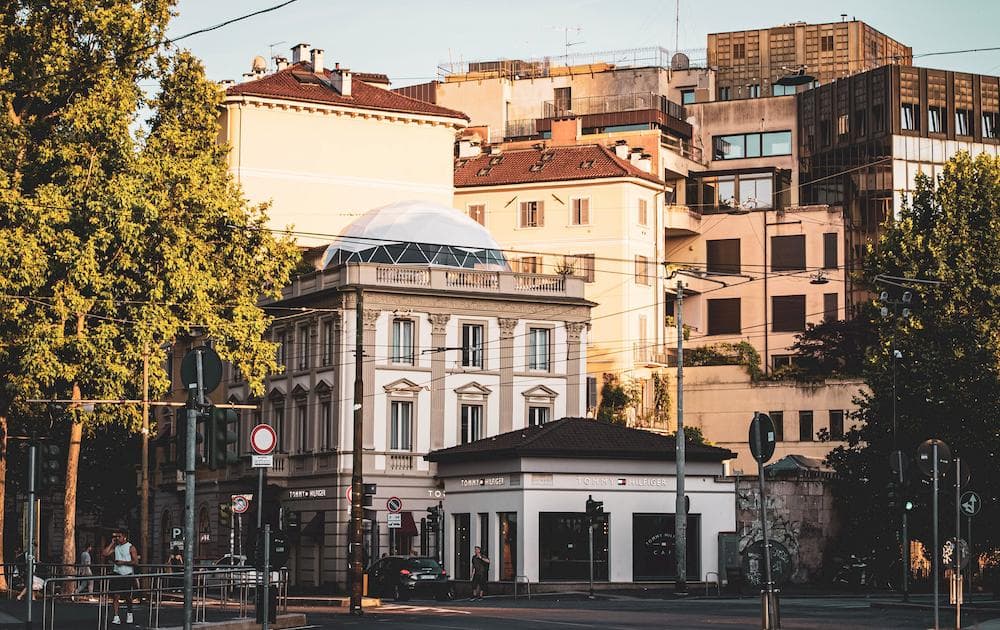
Milan is compact for a major city, with most of the neighborhoods that draw newcomers sitting within a few kilometers of the Duomo and tied together by one of Italy’s best metro networks. That means the choice here is less about distance and more about character: the historic core, the canal and design south, the creative modern north, or the student-and-value east. Here is how the main residential choices actually feel to live in.
The historic core
The Milan of postcards and fashion houses, inside the old canal ring. Beautiful, central, and the priciest ground in the city.
Centro Storico
Postcard Milan, at a price.The heart of the city around the Duomo and San Babila, all designer boutiques, grand architecture, and the famous shopping streets. Living here puts you in the middle of everything, walkable to the major sights and the best transit hub in Milan. It is also the most expensive ground in the city, with limited apartments and a steady tide of tourists and shoppers. You pay top rates for the address and the convenience.
Best for: Those who want to be at the absolute center and will pay the premium for it.
Explore more ›
Day-to-day life in the very center has trade-offs beyond price: it can feel more commercial than residential, busier with visitors than neighbors, and quieter in a corporate way after the shops close. It suits people who prize walkability to work and culture over a settled neighborhood feel, and who do not mind paying Milan's highest rents for the location.
Brera
The romantic artistic village.Just north of the Duomo, Brera is the central district people picture when they picture Milan, a pocket of narrow cobbled streets, ivy-draped balconies, hidden courtyards, and the Pinacoteca di Brera art gallery. It feels like a village trapped in time, sophisticated and romantic, pedestrian-friendly, and among the safest areas in the city. Housing is scarce and prices are very high, but for many it is the quintessential elegant Milan.
Best for: Those who want central beauty, safety, and old-world atmosphere, budget allowing.
Explore more ›
Brera mixes that village charm with real tourist traffic, given its monuments, galleries, and restaurants, so the most atmospheric streets are also busy ones. Availability is the constant constraint: apartments turn over slowly and command a premium when they appear. It draws established professionals and affluent residents who want elegance and security over nightlife or value.
The design and canal south
South and southwest of the center, the Milan of canals, nightlife, design studios, and elegant residential calm. More character, a range of prices.
Navigli
Canalside nightlife and creative energy.Built around Milan's historic canals, Navigli is the city's most characterful district: bars, restaurants, vintage shops, Sunday antique markets, and the famous aperitivo scene along the water. It is lively, central, and popular with younger expats, creatives, and freelancers who value atmosphere over polish. The trade is noise, it gets loud on weekend evenings and through the summer, and parking is difficult.
Best for: Younger residents and creatives who want atmosphere and nightlife at the door.
Explore more ›
Navigli has a daytime and a nighttime face: quieter and market-ish by day, packed and noisy by night, so the exact street matters a lot. Canal-front apartments are beautiful but can suffer humidity, and families with young children often find the late-night noise wearing. It is well connected by the M2 metro at Porta Genova and trams into the center.
Porta Romana
The locals' favorite, elegant but calm.Southeast of the center, Porta Romana is the neighborhood Milanese often name as where they would live if they could choose anywhere. Elegant but not flashy, residential but lively, with wide tree-lined boulevards, excellent restaurants, a weekly market, and the Fondazione Prada nearby. It is safe, walkable, well connected by the M3 metro and trams, and settled rather than transient, people put down roots here.
Best for: Families and professionals who want a genuine, upscale residential feel close to the center.
Explore more ›
The trade with Porta Romana is nightlife: it is calm by design, so for a big night out you head to Navigli or the center. That quiet is exactly its appeal for the long-term residents and families who favor it. Prices are high, below Brera but firmly in the upper tier, and it has become a genuine culinary destination, which keeps demand strong.
Tortona
Design-district cool, just below the canals.A short way below Navigli and only a few kilometers from the center, Tortona is a former industrial zone reborn as a design and creative hub, the beating heart of Milan's Fuorisalone during the furniture fair and fashion weeks. It offers a balance of quiet residential streets, greenery, cultural energy, and good infrastructure, which has made it sought-after with expat families.
Best for: Expat families and design-minded professionals wanting calm with creative energy.
Explore more ›
Tortona is busiest during Milan's big events, when its studios and showrooms host satellite shows, and quieter the rest of the year. It sits near Porta Genova station and the Navigli transit, giving good access without the canal-side noise. Prices reflect its desirability and ongoing redevelopment, sitting in the mid-to-upper range.
The creative and modern north
North of the center, the Milan of skyscrapers, redevelopment, and trendy reinvention. Modern amenities, strong transit, fast-climbing prices. (Northwest, the new CityLife district adds gleaming towers and parkland, modern luxury living for those who prefer new build over historic charm.)
Isola
Former working-class quarter, now the trendy one.Once literally islanded by railway tracks, Isola has transformed into one of Milan's trendiest neighborhoods, blending original ringhiera houses and street art with the futuristic skyline of nearby Porta Nuova, including the Bosco Verticale towers. It keeps a village feel, with independent shops, a weekly market, the Blue Note jazz club, and a strong community, while sitting on the M5 and M2 metro at a major transit hub.
Best for: Creatives, professionals, and young families wanting character plus modern connectivity.
Explore more ›
Isola is small enough that you learn every shop within a month, which residents tend to love. The catch is fast gentrification: prices are climbing quickly and some streets remain in transition. It has a distinctly creative, almost Berlin-like feel compared to the Parisian elegance of Brera, and excellent transit makes it one of the best-connected neighborhoods in the city.
Porta Nuova
Milan's gleaming corporate showcase.The symbol of modern Milan, a redeveloped district of glass skyscrapers, Piazza Gae Aulenti, the Bosco Verticale, and major corporate headquarters, with the Biblioteca degli Alberi park threading through it. It is sleek, new, and built for international professionals, with premium furnished apartments, high-end shopping, and the best modern amenities in the city. Rents are among the highest, and you pay for new construction, energy efficiency, and security, which are rare in Milan's older stock.
Best for: Corporate professionals and high-income expats who want modern luxury and turnkey living.
Explore more ›
Porta Nuova trades old-world Milanese charm for convenience and polish, so it can feel more corporate than neighborly, especially for those without a family or a reason to be on the street. But the transit is exceptional, centered on Porta Garibaldi with metro and high-speed rail to Turin and Paris, and the new-build quality stands apart in a city of older buildings. The nearby CityLife district to the northwest offers a similar modern-luxury alternative, towers and parkland on the old fairgrounds, quieter and more residential.
Porta Venezia
Diverse, international, and social.Just northeast of the center, Porta Venezia is one of Milan's most diverse and international neighborhoods, known for its multiculturalism, its public gardens, proximity to the Corso Buenos Aires shopping street, and cafes and bars that stay busy on a weeknight. It is especially popular with young internationals and the LGBTQ+ community, with a strong density of English-speaking venues and meetup groups, and it sits on solid metro and tram links.
Best for: Young professionals and internationals wanting social life, diversity, and a park nearby.
Explore more ›
Porta Venezia mixes Milanese pensioners, students, and young families alongside its international crowd, which gives it a lived-in diversity rare in the center. It can get busy, and the area edges toward the central station, so the exact street matters. The public gardens and easy access to shopping make it family-friendly while keeping a lively social core.
The student and value east
East of the center, the Milan of universities, authentic daily life, and the city's better value. Less glamour, more real-neighborhood feel and gentler rents.
Città Studi
The university district, authentic and affordable.Home to the Politecnico and University of Milan campuses, Città Studi is the city's student quarter, but it is also a quiet, well-inhabited residential area popular with academics, young expats, and families seeking good value. Rents run noticeably below the central districts, the metro and tram links are solid, and it offers an authentic Italian neighborhood feel without the glamour or the price of Brera or Porta Nuova.
Best for: Students, academics, and anyone wanting authentic daily life at a gentler rent close to the center.
Explore more ›
Città Studi is one of the fastest-renting areas in Milan because of constant student demand, so the market moves quickly, especially in the late-summer university window. It can feel busier and younger near the campuses and calmer in its residential pockets. For newcomers who want to live like locals rather than pay central premiums, it is one of the best-value central-ish choices in the city.
Lambrate and the value belt
Emerging, creative, and affordable.Just beyond Città Studi, Lambrate is an emerging, slightly rough but authentic neighborhood with a real creative identity, anchored by its Design District and one of Italy's best craft breweries, and well connected by the M2 metro. It stands in for Milan's wider value belt: the outer residential areas like Bicocca, the southeastern districts, and the affordable streets a stop or two past the trendy zones, where rents drop meaningfully.
Best for: Budget-minded renters and creatives happy to trade polish and central location for space and value.
Explore more ›
Milan's golden rule is that living one or two metro stops past the most expensive area you like saves real money while keeping good access, and this eastern belt is where that math works best. Lambrate itself is on the rise, still a little gritty but full of potential, while areas like Bicocca offer safe, affordable, student-and-family living near the Milano-Bicocca university. The trade is a longer ride to the center and a less polished streetscape.
Prices and character shift block by block in Milan, and the city’s best-value trick is moving a stop or two past the trendiest address. Treat this as a starting map, and check current listings on Immobiliare ›