Montepulciano · Go deeper
Cost & housing
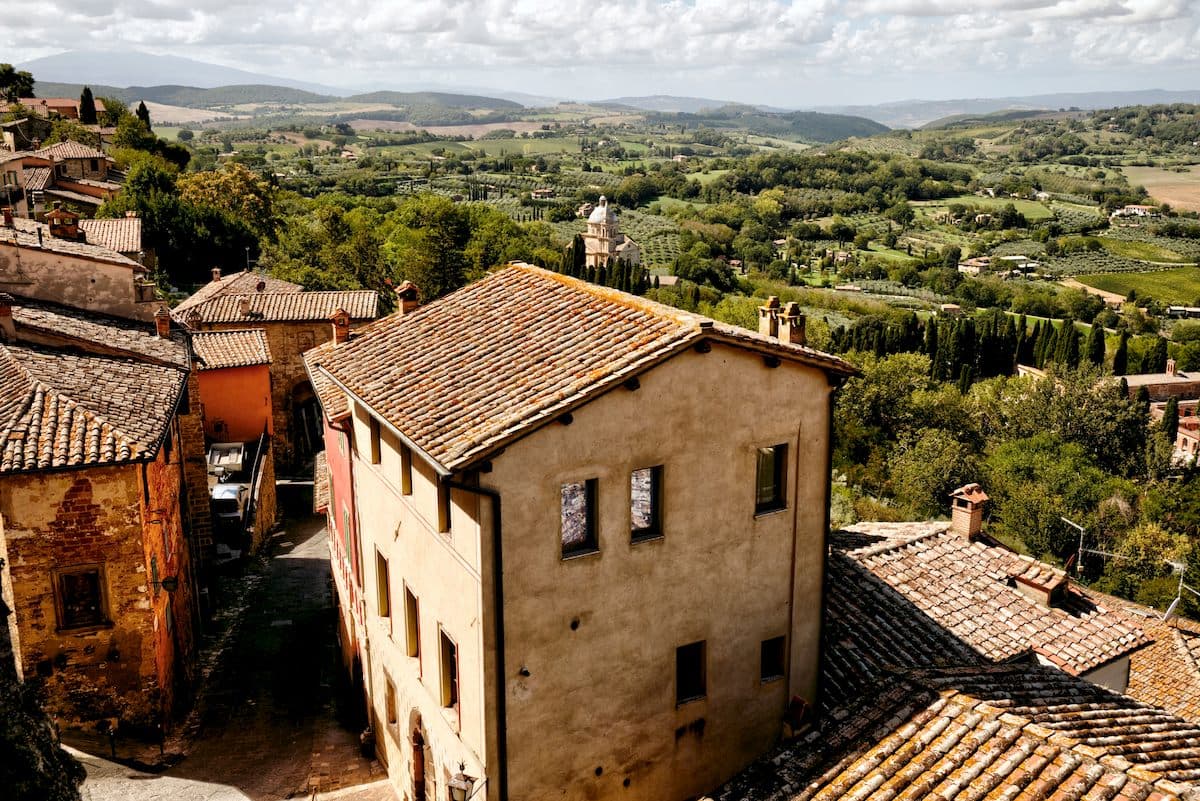
Montepulciano is a small Renaissance wine town, and its housing numbers come with two caveats. First, the rental market is tiny, often only a handful of apartments listed at once, so treat the figures below as a rough guide and check the live listings yourself. Second, because this is Vino Nobile country, the sale prices you’ll see are skewed by farmhouses, villas, and vineyard estates; the in-town figures below are what matter for living in the town itself, not for buying a piece of the wine hills.
Renting
These reflect a decent, functional in-town apartment, drawn from a very small rental market, so what’s actually available at any moment varies a lot. Check live listings and be ready to move quickly when something good comes up.
Immobiliare / local listings, 2026 (very thin market)
Buying
If you’re looking to purchase in the town itself:
The same caveat as its neighbour Montalcino: Montepulciano’s sale market splits in two. In-town houses and apartments sit around the figure above, affordable, while the headline prices online are usually countryside farmhouses, villas, and vineyard estates in Vino Nobile territory, which run far higher and are a separate market. Buying a home in the town and buying a piece of the wine country are two very different conversations.
Immobiliare, 2026
Other monthly costs
Utilities are a national market in Italy, so that range holds roughly anywhere. Montepulciano’s hilltop winters are cold, so heating works harder here than on the coast. On transport: Autolinee Toscane runs buses (about €2.00 a single ride) connecting Montepulciano to Siena, Chiusi, and the valley, but in a rural hill town this small the service is sparse and a car is essentially essential. A city-style monthly pass makes little sense here.
Autolinee Toscane, 2026
Our take
Montepulciano is one of the most beautiful small towns in Italy to live in, and, if you can find a place, a surprisingly affordable one to rent. The Renaissance streets, the Piazza Grande at the summit, the Vino Nobile in every cellar: all of it costs far less than its looks suggest, because it’s small, rural, and quiet out of season. The drawbacks are the same as anywhere like this: apartments are scarce, and you’ll need a car. For someone who wants to live inside a Renaissance postcard with Vino Nobile cellars under the street, that’s a fair trade.
One thing to hold onto: as in Montalcino, the town rental market and the vineyard-estate sale market are two separate worlds that rarely meet. The international money buys farmhouses and wine estates in the hills; renting an ordinary flat inside the walls is cheap and surprisingly competitive because so little comes up. Reading Montepulciano’s prices properly means knowing which market you’re actually looking at.
Prices move with the market, and the local market is small. Always check live listings. See current rentals on Idealista › | See prices on Immobiliare ›