Pisa · Go deeper
Where to live
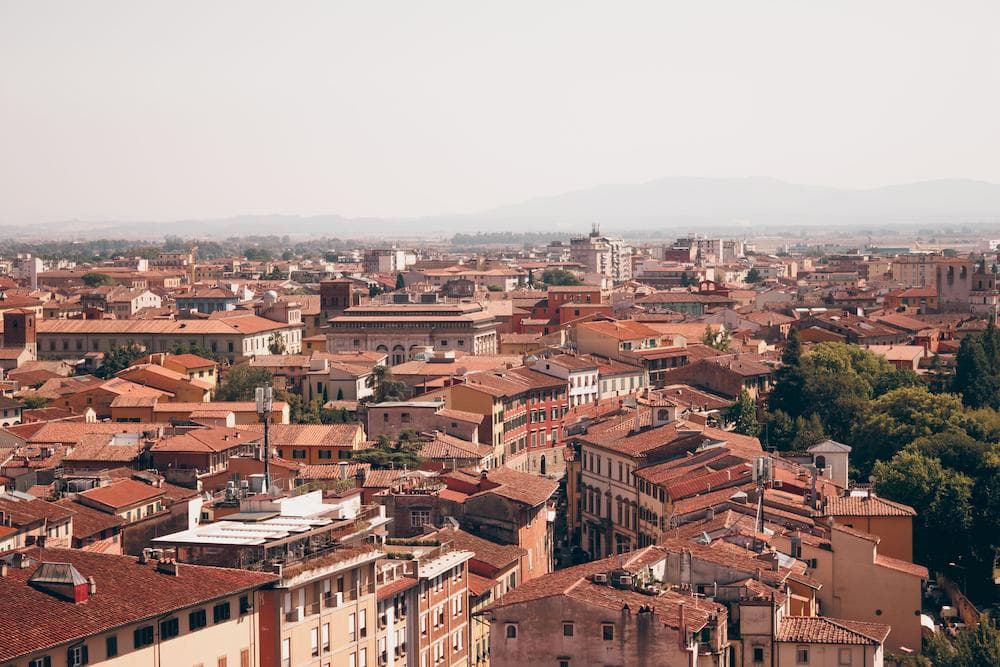
Pisa is a city of two banks. North of the Arno sit the historic centre, the Leaning Tower, and the university; south of the river are the shopping streets and residential quarters; and quieter districts spread out along the water beyond. The river sorts the city more than you’d expect.
North of the Arno: the historic centre
Santa Maria & the Piazza dei Miracoli
most expensiveThe monumental heart of Pisa: the Leaning Tower, the cathedral, and the Piazza dei Miracoli, wrapped around the historic university buildings. It's beautiful, central, and thick with students and visitors, close to everything. The trade is cost and crowds: it's the priciest area and the busiest, especially near the tower.
Best for: those who want to live among the monuments and the university life
Learn more about the historic heart
Long before the tower leaned, Pisa was one of the great sea powers of the Mediterranean, a maritime republic to rival Venice and Genoa, grown rich on trade and fleets. That wealth built the Piazza dei Miracoli, the ‘field of miracles’: the cathedral begun in 1064, the round baptistery, the walled Camposanto cemetery, and the campanile: the bell tower begun in 1173 that started to sink and tilt while it was still being built, and was finished, leaning, two centuries later. The whole ensemble, in gleaming Pisan Romanesque marble, is a UNESCO World Heritage Site.
Pisa is also a university city, and an old one: the University of Pisa dates to 1343, and its most famous student, Galileo Galilei, was born here in 1564. Legend has it he worked out the physics of the pendulum watching a lamp swing in the cathedral, and tested falling weights from the leaning tower. Between the monuments and the students, the historic core has been a place of learning and ambition for the better part of a thousand years.
San Francesco
premium, livelyJust east of the centre, San Francesco is Pisa's social heart: pubs, restaurants, and nightlife that draw students and young professionals. Central, characterful, and lively, so prices run high for the buzz. It's loud at night.
Best for: young professionals and students who want to be in the middle of the nightlife
South of the Arno
Sant'Antonio & the Lungarno south
mid, central valueAcross the river from the centre, with handsome buildings overlooking the Lungarno riverfront and an easy walk into town. It's central-adjacent at gentler prices than the tower side, with a real neighbourhood feel. Good value for how close it is.
Best for: those wanting central access and riverfront living at a fairer price
San Martino
mid, residentialThe main shopping district south of the Arno, well-served by transport and everyday life: shops, services, and a steady residential feel. Practical and central, though housing here can be in shorter supply. Less monumental, more real-city.
Best for: those wanting a practical, well-connected base near the shops
The outer districts
Porta a Lucca, Cisanello & the outer quarters
lower to mid, valueThe residential districts spreading out from the centre: Porta a Lucca's villas and sports grounds to the north, Cisanello and the eastern quarters near the big hospital, and the green riverside stretches toward San Rossore park. More space, more greenery, and noticeably lower prices, at the cost of distance from the centre. This is where a lot of settled Pisa lives.
Best for: families and residents wanting space and value away from the tourist core
Rough rents are indicative and move with the market. Check current listings on Idealista ›