Siena · Go deeper
Where to live
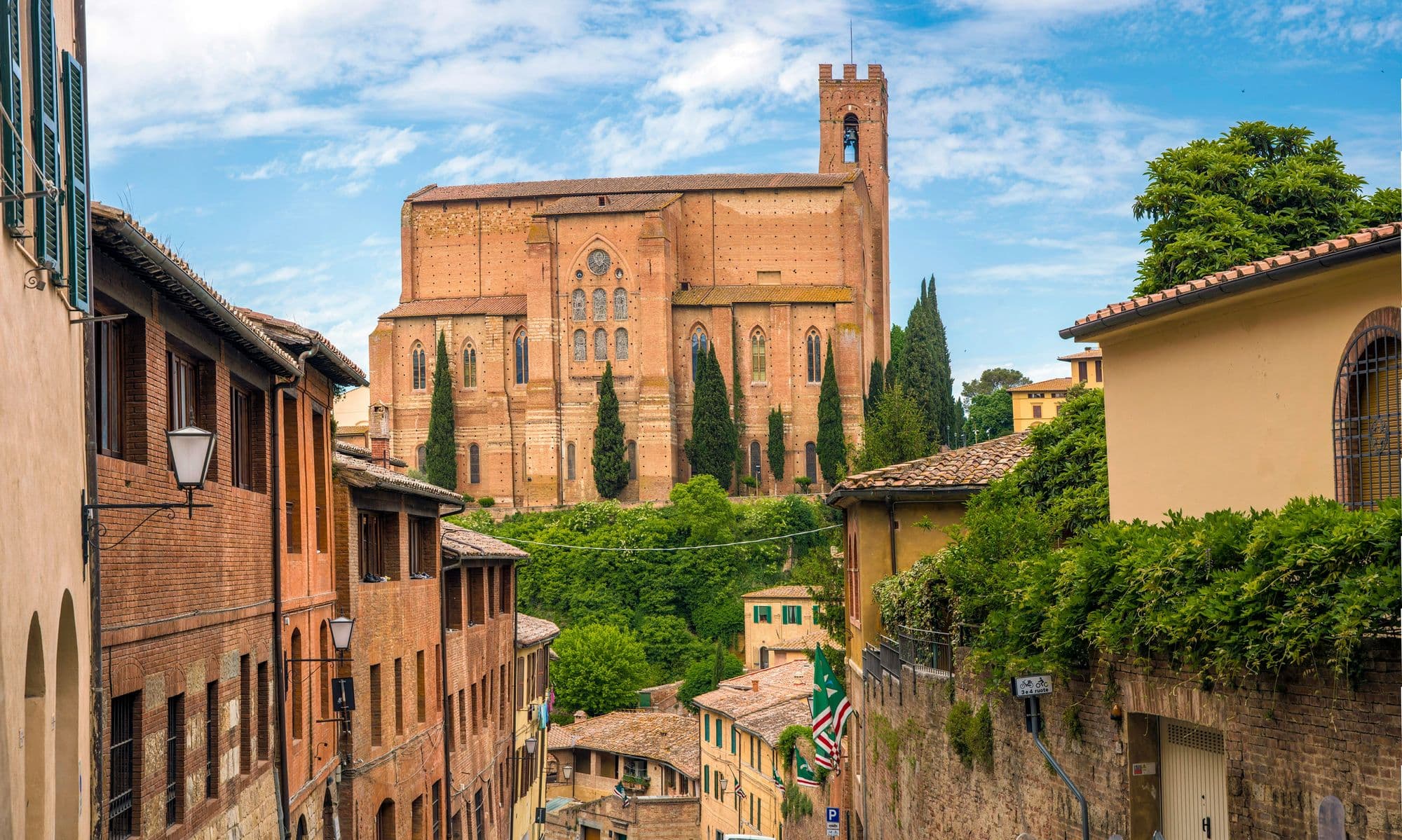
Siena is built in three ancient thirds, the terzi of Città, Camollia, and San Martino, and within them the seventeen contrade, the hereditary neighbourhoods that run the Palio and shape real Sienese life. Where you live here isn’t just an address; it’s a community you belong to. So read what follows as communities, not addresses.
Terzo di Città (the historic heart)
Terzo di Città
most expensiveThe oldest and grandest of the three thirds, climbing to the cathedral and holding the wealthiest contrade. This is the monumental heart, the Duomo, the great museums, the noblest streets, steps from the Piazza del Campo. It's the most desirable and priciest place to live inside the walls, beautiful and central, with the trade being cost, tourist footfall, and the steep, car-free lanes.
Best for: those who want to live in the grandest, most central part of the medieval city
Learn more about the historic heart
For three centuries Siena was one of the great powers of medieval Italy: an independent republic from 1186, grown rich on banking, and a fierce rival to Florence just up the road. It poured that wealth into building the most complete Gothic city in Tuscany: the shell-shaped Piazza del Campo, laid out in the late 1100s and sloping to the Palazzo Pubblico and its soaring Torre del Mangia; the great striped cathedral on the hilltop; and the frescoes of Simone Martini and the Lorenzetti brothers, founders of a whole school of painting. The historic centre is a UNESCO World Heritage Site, preserved almost whole.
And twice each summer, on the 2nd of July and the 16th of August, that same Piazza del Campo becomes a racetrack. The Palio is a bareback horse race between the contrade, the city’s ancient neighbourhood districts, run in ninety seconds around the shell of the square, and it is not a tourist show but the beating heart of Sienese identity. Each contrada has its own colours, church, and hereditary loyalties, and the rivalries run deep and last a lifetime. To live in Siena is, sooner or later, to belong to one.
Terzo di Camollia (north)
Terzo di Camollia
mid to premiumThe northern third, running down toward the Camollia gate along the old pilgrim road, the Via Francigena. It mixes handsome central streets with more everyday, lived-in quarters and several proud contrade, a little less monumental and often a touch more affordable than Città. A real, walkable slice of the walled city with genuine neighbourhood life.
Best for: those wanting central walled-city living with a bit more everyday character and value
Terzo di San Martino (east)
Terzo di San Martino
mid to premiumThe eastern third, sloping down from the Campo toward the countryside, with quieter lanes, open views out over the hills, and its own strong contrade. It feels a step calmer than the tourist core while still being minutes from the Piazza del Campo. Handsome and central, with the same walled-city premium softening toward the edges.
Best for: those wanting a calmer, view-rich base still inside the walls
Outside the walls
The districts beyond the gates
mid, valueThe modern residential neighbourhoods spreading beyond the medieval walls, around the station downhill, and out along the ridges, with newer housing, easier parking, supermarkets, and noticeably lower prices. This is where much of working Siena and its families actually live, a short bus ride or walk from the historic centre. Less magic, more practicality and value.
Best for: families and residents wanting space, parking, and value near the walled city
Rough rents are indicative and move with the market. Check current listings on Idealista ›