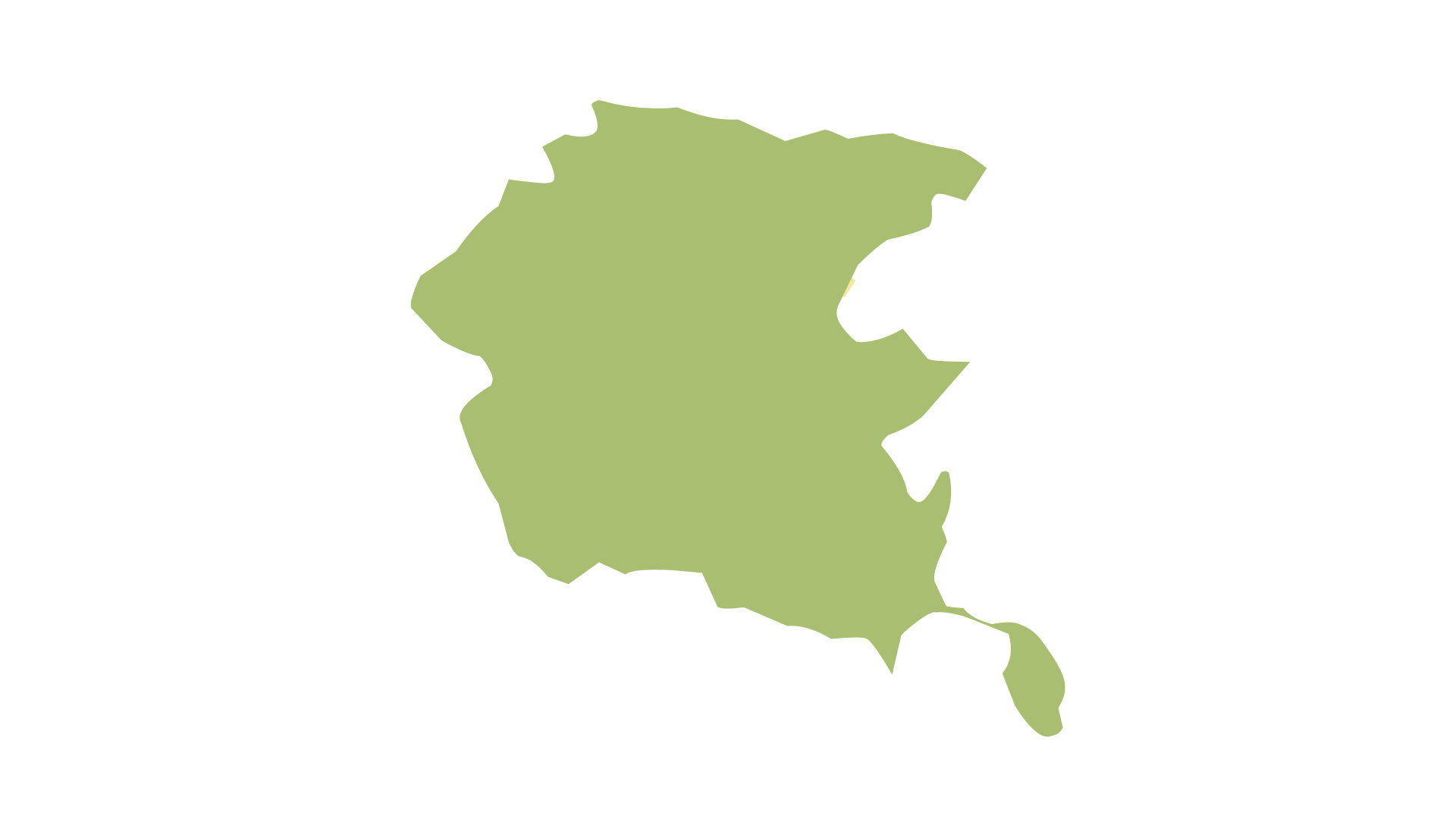
Friuli-Venezia Giulia
Friuli-Venezia Giulia is Italy's far northeastern corner, where the country runs up against Slovenia and Austria and the culture turns Central European. Six centuries under the Habsburgs left it a land of seaports and coffee houses, with the Julian Alps rising behind the coast. Trieste, the capital, is the draw: a grand Adriatic port city, Italian with a foreign accent, at a price that makes very little sense. This is the Italy almost nobody pictures, and that is exactly the point.
Region Profile
Landscape
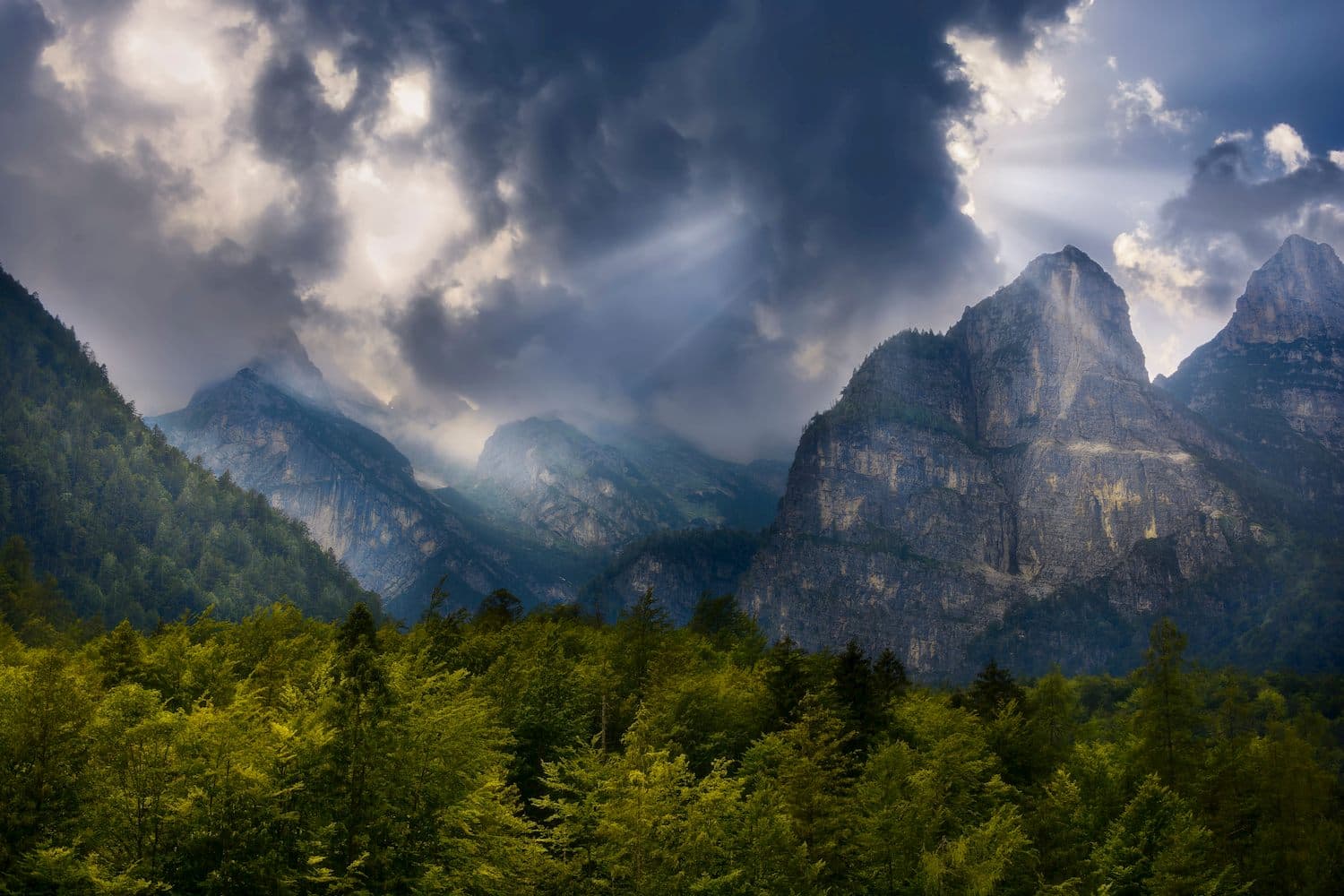
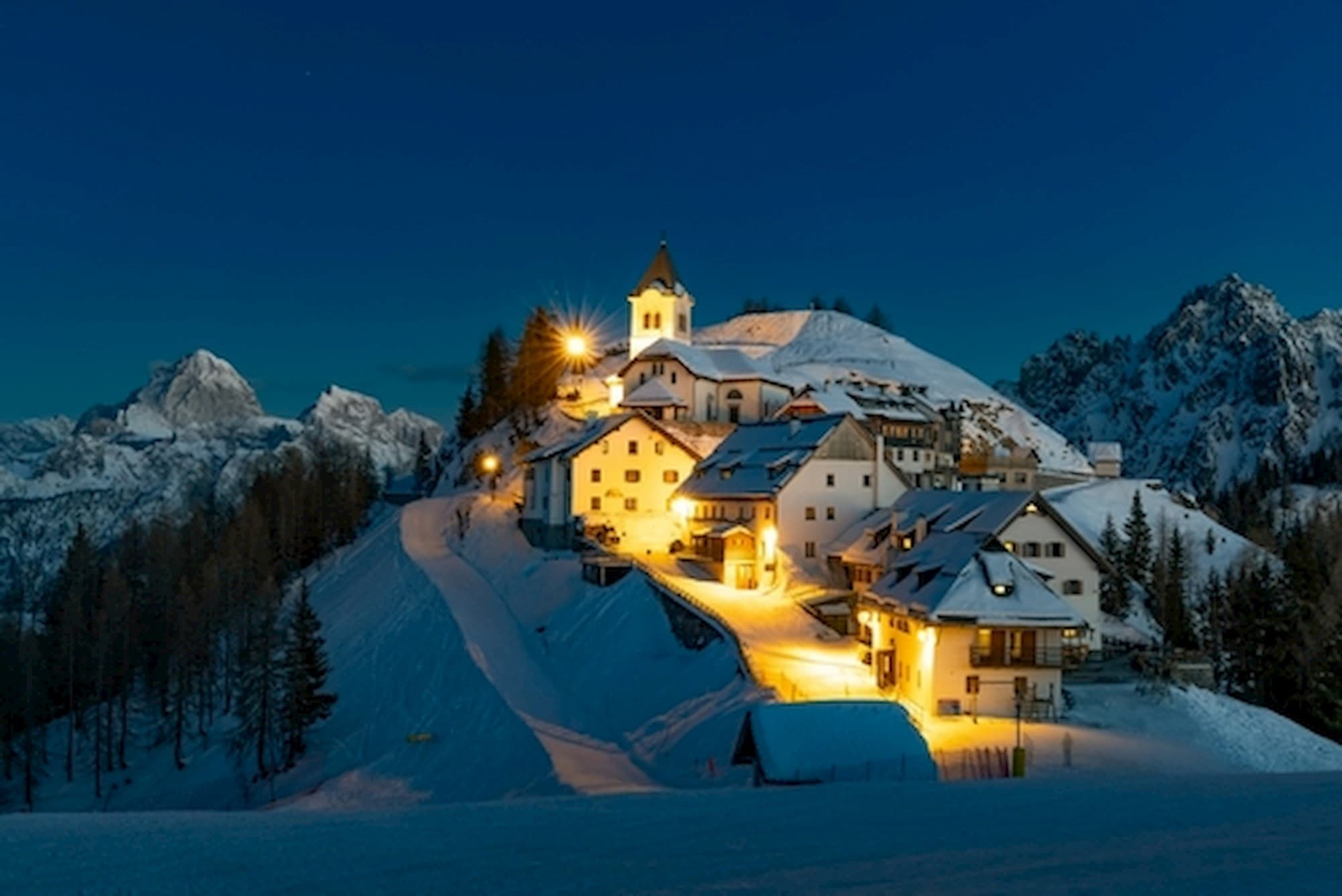
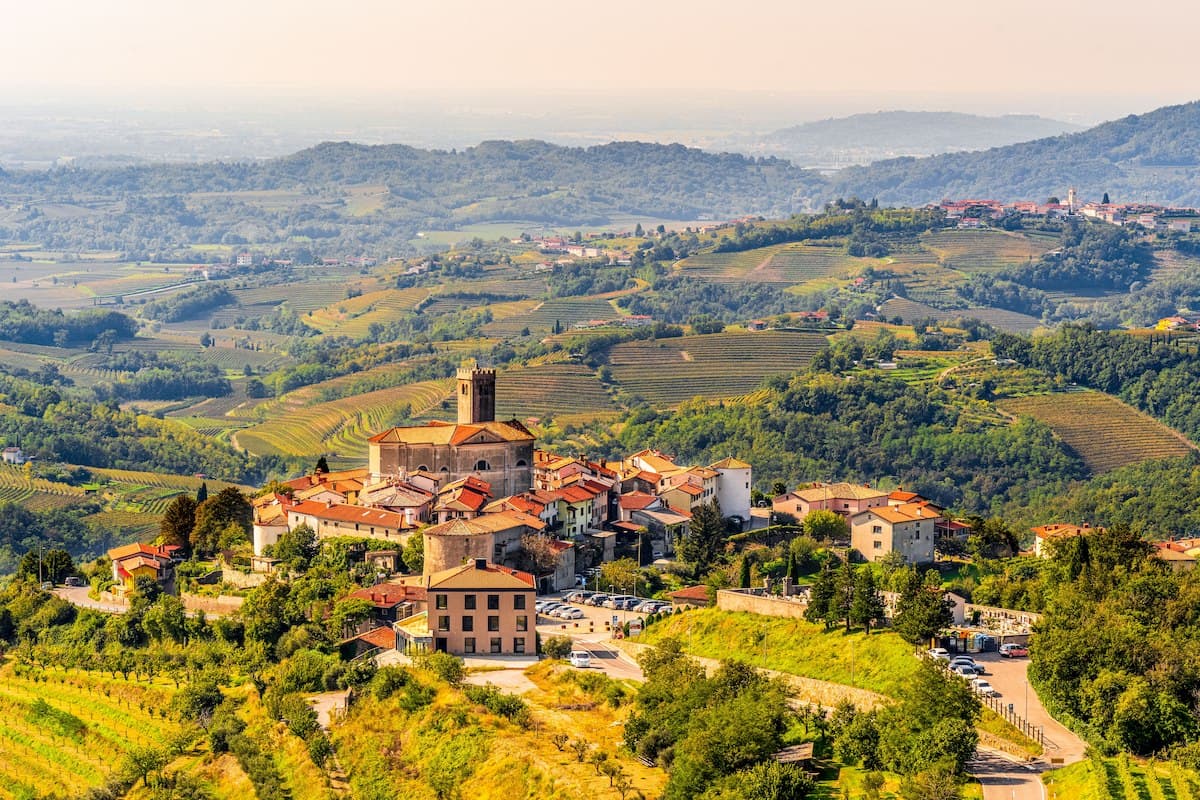
Friuli-Venezia Giulia packs an astonishing range into Italy's northeast corner: the Julian and Carnic Alps in the north, a broad plain of vineyards and farm towns in the middle, and a short but dramatic Adriatic coast around Trieste and the lagoon of Grado in the south. The Collio wine hills roll right up to the Slovenian border, the Tagliamento runs wide and wild, and the karst plateau above Trieste drops straight to the sea. Mountains, plain, and coast, all within a couple of hours.
General Vibe
This is Italy's crossroads, where Italian, Slavic, and Germanic worlds meet, and it feels it. Trieste runs on coffee-house culture and a faintly Mitteleuropean formality; Udine and the Friulian towns are warm, hardworking, and proud of a distinct local identity and language. People here are more reserved than the Italian stereotype, less showy, deeply attached to food and wine and place. It's a region that rewards those who settle in rather than pass through: quieter, more authentic, and far off the tourist track.
Weather
A region of three climates. The coast around Trieste is mild and Mediterranean, though famous for the bora, a fierce, cold wind that tears down off the plateau in winter. The central plain has hot, humid summers and cold, foggy winters. The mountains are properly alpine, with real snow and cool summers. Spring and autumn are the sweet spots across most of the region: mild, clear, and ideal for settling in.
Affordability
One of the better-value corners of northern Italy. Trieste and Udine cost noticeably less than Milan, Venice, or the Tuscan hill towns, while offering a high quality of life. Rents in the smaller Friulian towns and the plain run considerably lower still, and rural and mountain properties go for very little, though, as everywhere, the low prices come with renovation and distance to weigh. For the space and quality you get, this region is one of Italy's quiet bargains.
Connectivity
Better connected than its tucked-away location suggests. Trieste has its own airport with European links, and Venice's two airports are within easy reach to the west, opening up long-haul connections. The region sits on the rail line between Venice and Ljubljana/Vienna, so central Europe is close. Slovenia and Austria are day-trip distance, and Croatia's Istrian coast is just south. The one caveat: it's the far corner of Italy, so Rome and the south are a real haul.
Explore the Cities