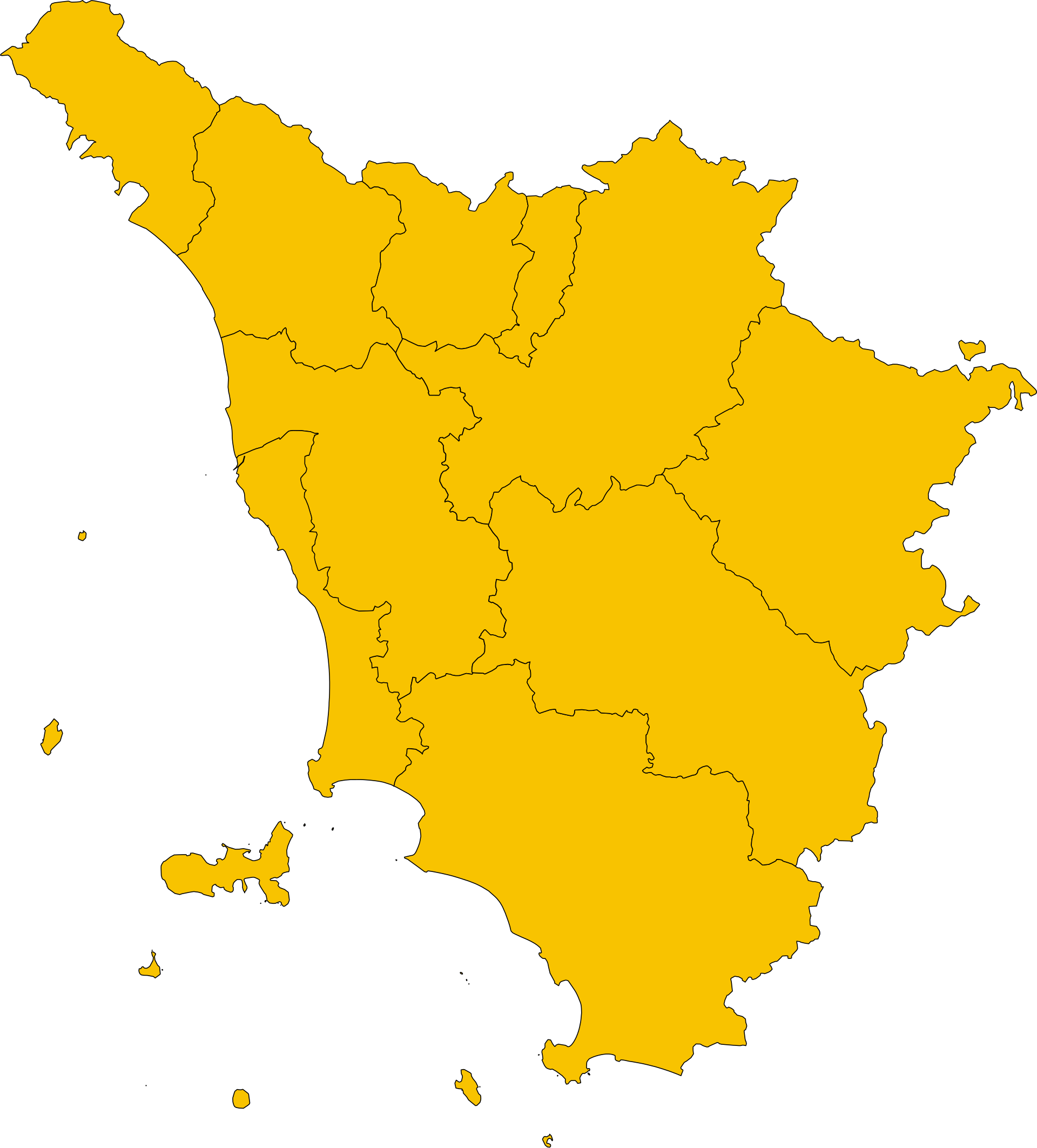
Tuscany
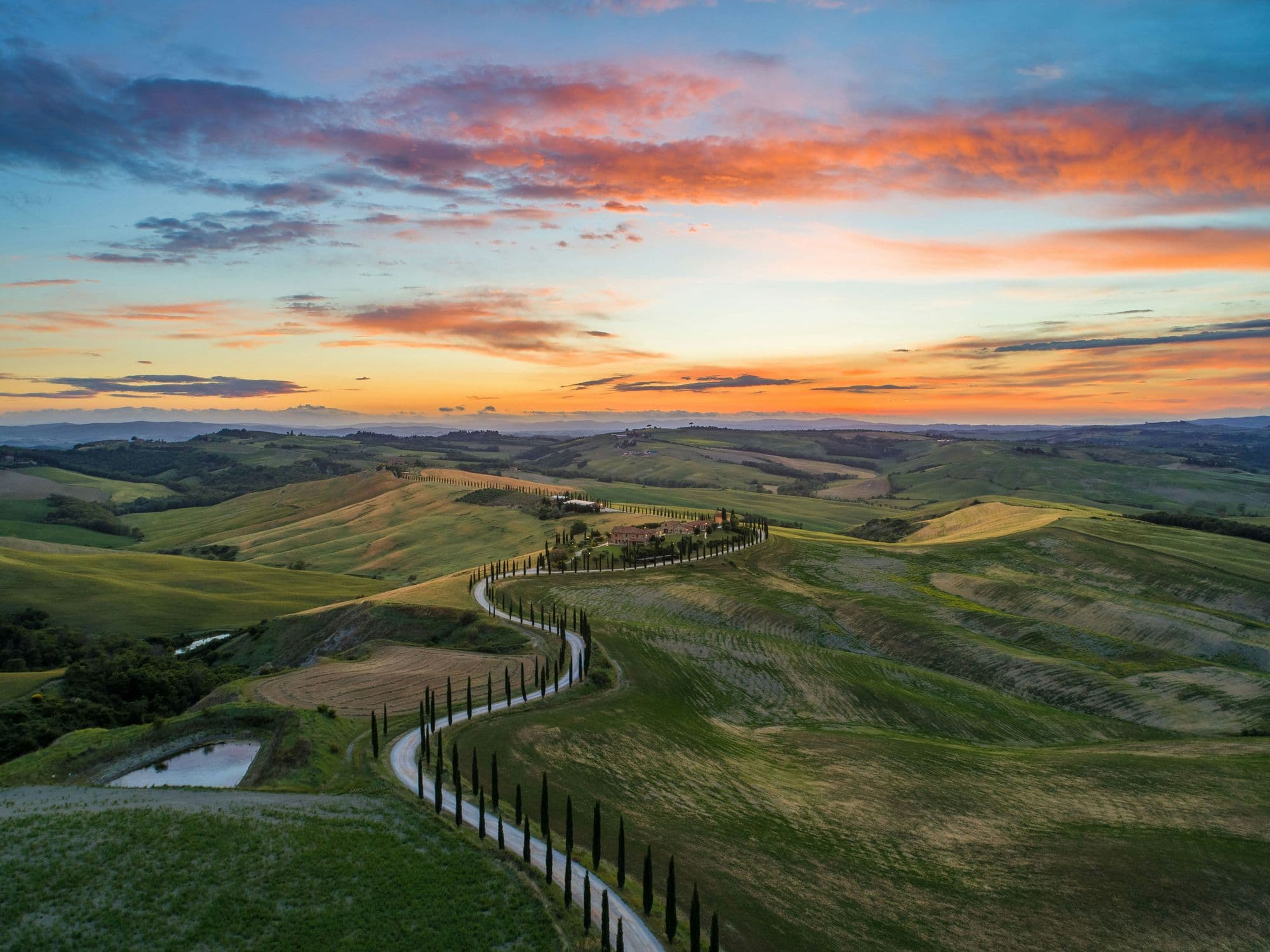
Tuscany is the Italy of the imagination, the one the whole world pictures and the one that launched a thousand relocations. The cradle of the Renaissance, the golden hills, the cypress-lined roads, Florence and its art, the wine that needs no introduction. It is the most famous and most chosen region in Italy for a reason: it delivers on the postcard. Whether Tuscany is beautiful was never the question. The question is whether you want the version everyone else has already found.
Region Profile
Landscape
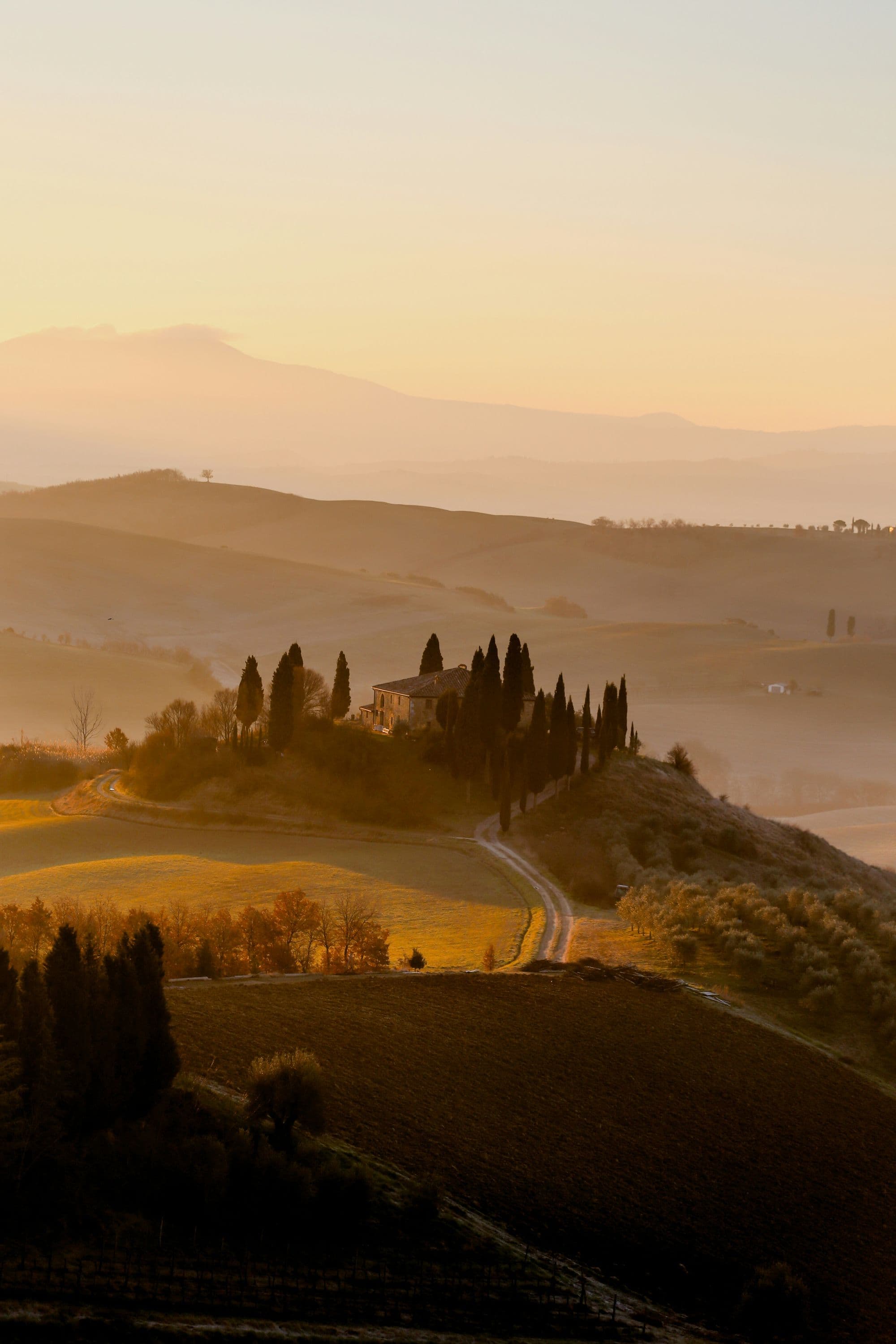
Rolling hills, cypress-lined roads, olive groves, and vineyards define the Tuscan landscape. The Val d'Orcia (UNESCO World Heritage) represents the classic postcard. The northern Apennines offer wilder terrain; the Maremma coast in the south is unspoiled and less touristed.
General Vibe
Tuscany blends deep cultural pride with a relaxed, quality-of-life focus. Florentines are sophisticated and somewhat reserved; smaller towns are tightly knit and community-oriented. There is a strong tradition of craftsmanship, seasonal food culture, and unhurried daily rhythms.
Weather
Tuscany has a humid subtropical to Mediterranean climate. Summers (June–August) are hot and sunny, with temperatures in Florence regularly reaching 35 °C (95 °F). Spring and autumn are mild and pleasant, the ideal seasons to live and explore. Winters are cool, with some frost and occasional snow in the hills. Coastal areas are slightly milder year-round.
Affordability
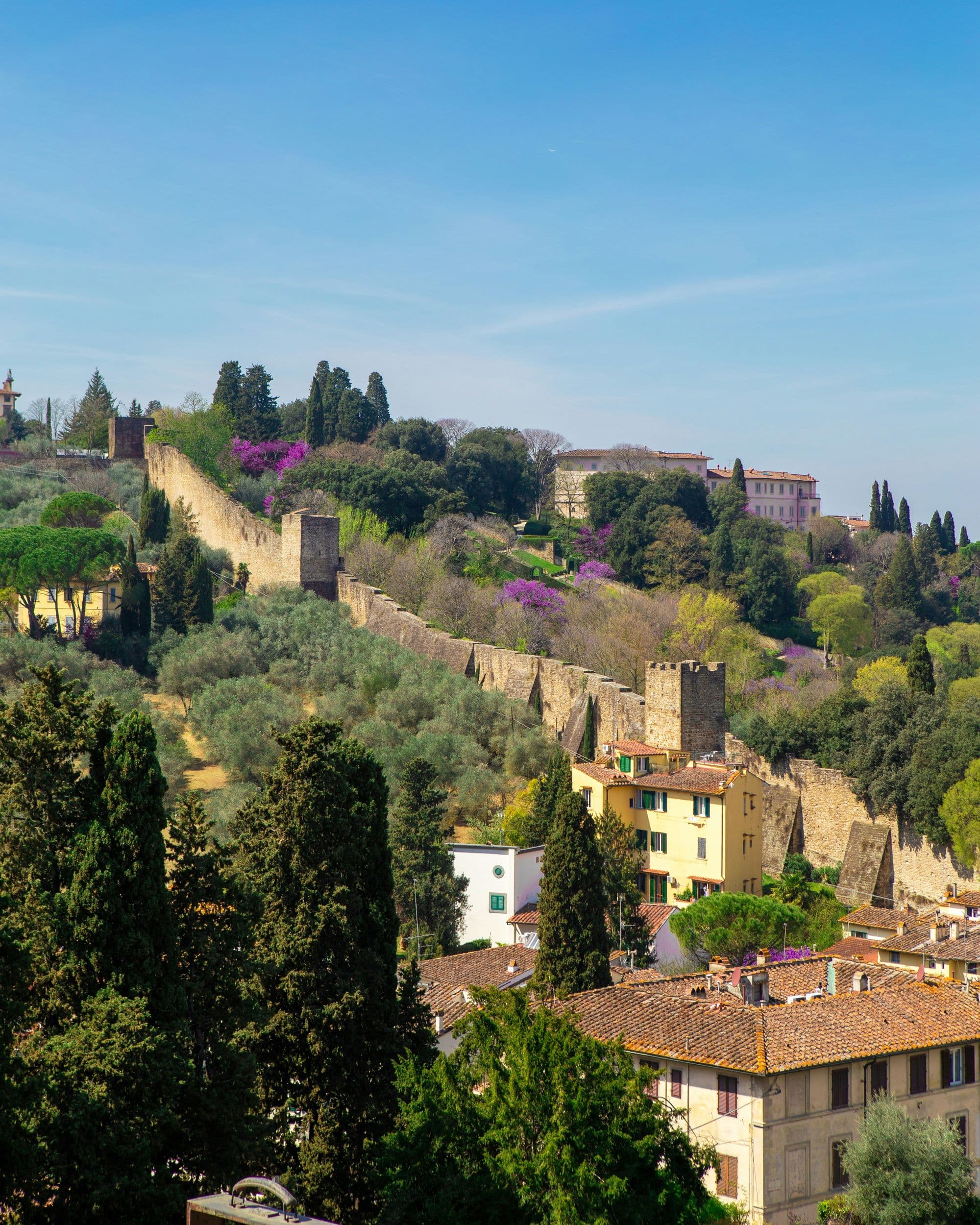
Costs vary significantly across Tuscany. Florence is the most expensive city, comparable to other major Italian cities. Smaller towns like Arezzo, Lucca, and Montepulciano offer considerably lower rents and living costs. Rural properties can be found at very low prices, but factor in renovation costs and distance from services.
Explore the Cities