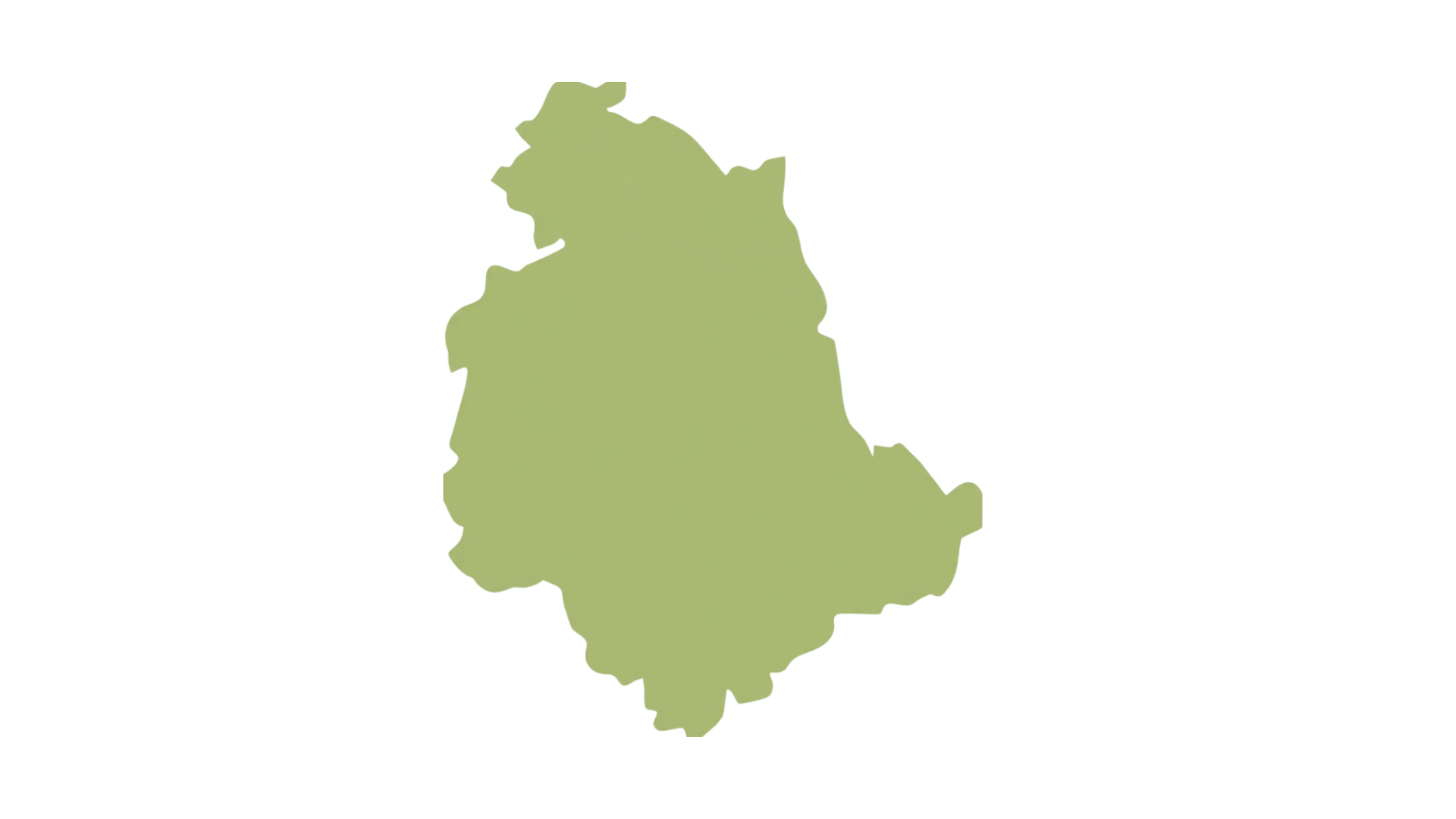
Umbria
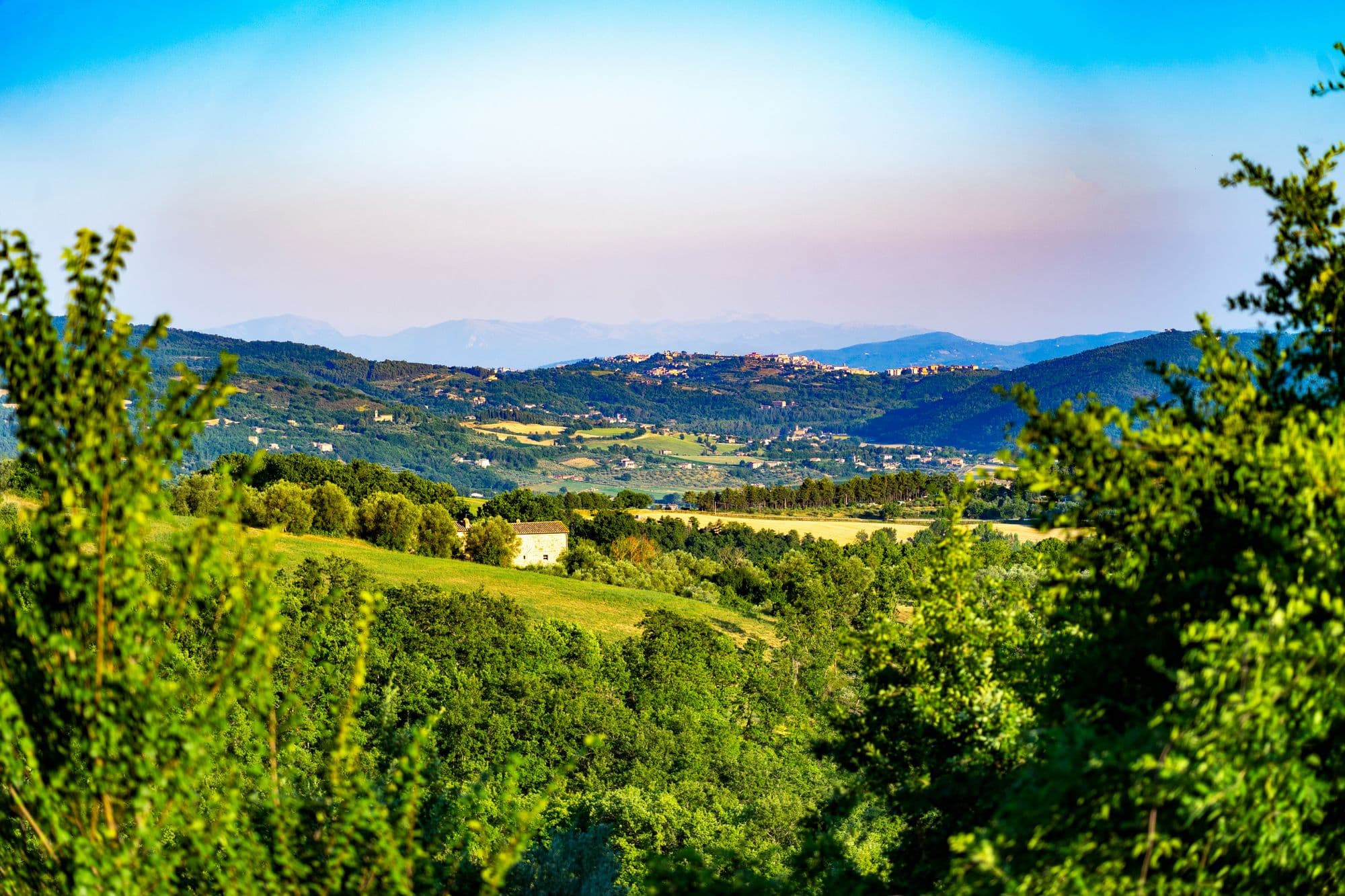
Umbria is the Italy that Tuscany fans discover next, and often prefer. They call it the green heart of Italy, the one landlocked region in the center, all wooded hills and hill towns and slow rivers. It has the same medieval beauty as its famous neighbor, the same art and stone and wine, but without the crowds, the prices, or the sense that you arrived a generation too late. Beauty isn't what you have to decide about Umbria. It's whether you want a quieter, less discovered version of the dream.
Region Profile
Landscape
Wooded green hills, river valleys, olive groves, and vineyards define Umbria, the only landlocked region in central Italy. Hill towns crown the ridges. Lake Trasimeno spreads to the west, and the Sibillini mountains rise to the east, but there is no coastline anywhere in the region.
General Vibe
Umbria is slower, quieter, and more rooted than its famous neighbor. It carries deep religious and artistic heritage, from St. Francis at Assisi to its festivals and saints. Towns are tightly knit and community-minded, the pace is unhurried, and daily life turns on food, season, and place rather than spectacle.
Weather
Umbria has a humid continental to Mediterranean climate, without the sea to soften it. Summers (June to August) are hot, regularly reaching the mid 30s Celsius (mid 90s Fahrenheit). Spring and autumn are mild and green, the best seasons here. Winters are cold, gray, and foggy, with frost and occasional snow in the higher towns.
Affordability
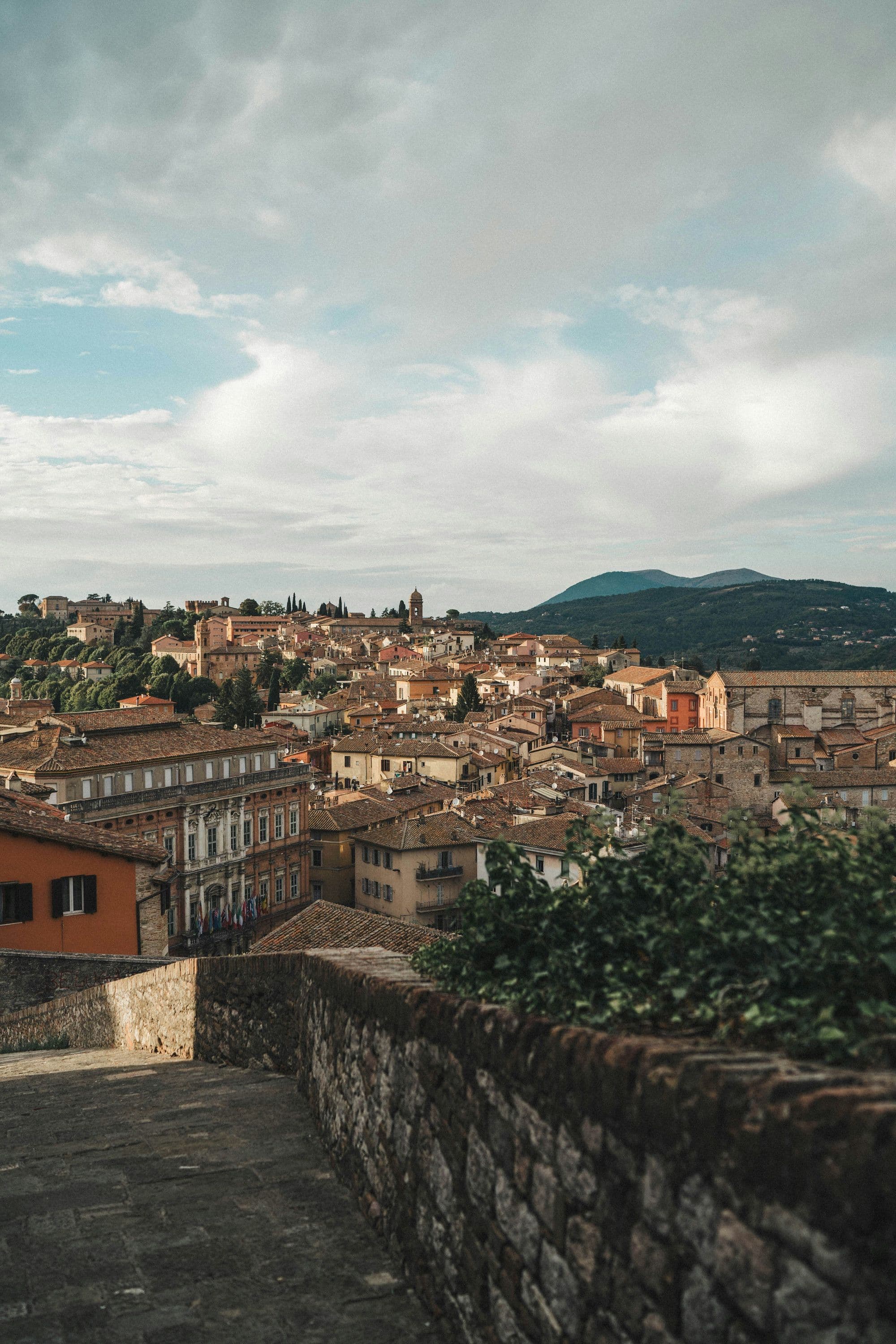
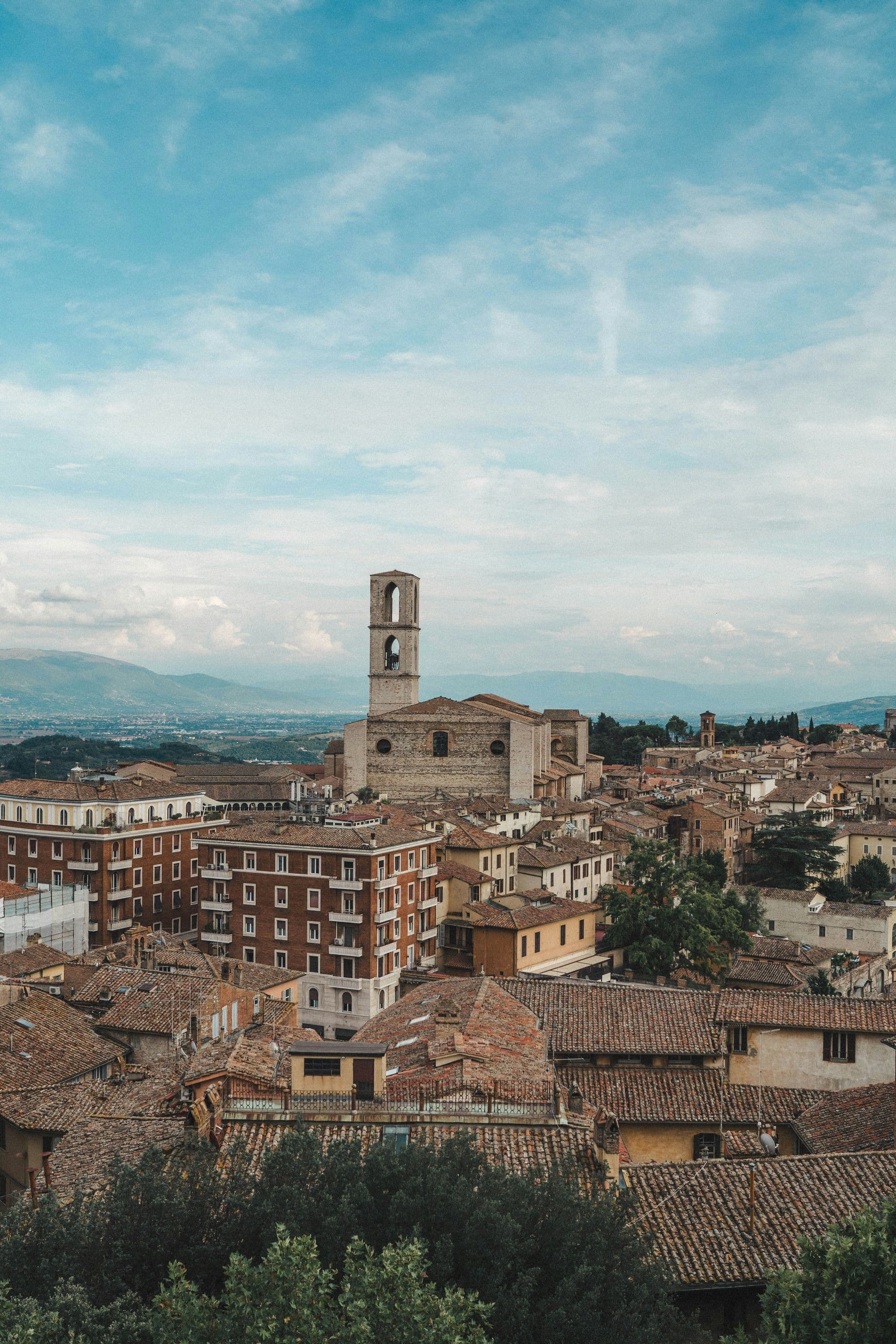
Umbria is markedly cheaper than neighboring Tuscany. Perugia, the capital, offers city life at modest prices, while smaller towns like Spoleto and the rural frazioni run cheaper still. Orvieto is the priciest pocket, kept firm by its setting and limited stock. Rural and farmhouse properties can be very low, but factor in renovation and distance from services.
Explore the Cities